
A Complete Guide to Choosing the Right Driving Courses Bayswater for Safe and Skilled Driving
Driving Courses Bayswater help learners build confidence, practise essential road skills, understand traffic rules, and prepare for practical driving tests safely.
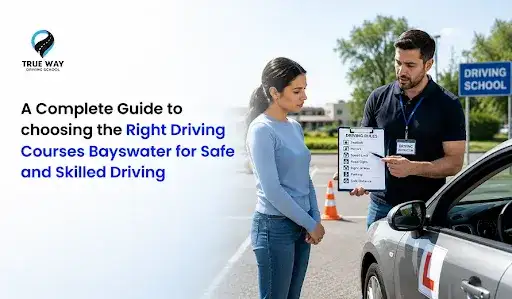
Getting behind the wheel is an exciting milestone, but becoming a safe and confident driver takes time, practice, and proper instruction. Choosing the right Driving Courses Bayswater allows new drivers to build safe habits while gaining practical experience in real traffic conditions. Whether you are starting from scratch or preparing for your driving assessment, selecting a structured course can make a significant difference in your progress. With the right guidance, you can become familiar with local roads, understand Australian road rules, and feel more prepared for everyday driving.
Why Driving Courses Bayswater Help Build Safer Drivers
A good driving course is about much more than passing the driving test. It teaches learners how to make sensible decisions, remain aware of their surroundings, and handle different traffic situations with confidence.
Professional lessons gradually introduce learners to:
- Residential streets
- Busy intersections
- School zones
- Roundabouts
- Multi-lane roads
- Parking areas
- Shopping districts
These practical experiences help students become comfortable with everyday driving situations while reducing the chances of developing poor driving habits.
What to Look for in Driving Courses Bayswater
Not every driving course offers the same quality of instruction. Taking the time to compare available options helps you choose a course that matches your experience level and learning needs.
Some important factors include:
Qualified Instructors
An experienced instructor explains driving techniques clearly, remains patient during lessons, and provides useful guidance that helps learners improve with each session.
Well-Planned Lessons
Lessons should begin with the basics before gradually moving towards more challenging road conditions.
A structured course normally covers:
- Vehicle controls
- Steering
- Braking
- Lane positioning
- Roundabouts
- Parking
- Highway driving
- Practical driving test preparation
Flexible Scheduling
Many learners balance work, study, or family responsibilities. Flexible lesson times make it easier to maintain regular practice.
Safe Training Vehicles
Modern vehicles fitted with dual controls provide an additional level of safety while students are still gaining experience.
Choosing Between Driving Lessons Bayswater Options
When comparing Driving Lessons Bayswater, learners should think about their confidence level, previous driving experience, and future driving needs.
Some people benefit from shorter lessons during the early stages, while others prefer longer sessions that allow more practice in different traffic conditions.
Regular lessons often help students remember previous skills while steadily improving their confidence behind the wheel.
Manual or Automatic: Which Course Fits Your Needs?
One of the first decisions new drivers make is whether to choose a manual or automatic vehicle.
Manual Driving Lessons Bayswater
Many learners choose Manual Driving Lessons Bayswater if they expect to drive manual vehicles in the future. These lessons include gear changes, clutch control, hill starts, and smooth vehicle handling while still covering all standard road safety practices.
Automatic Driving Lessons Bayswater
For beginners who want a simpler introduction to driving, Automatic Driving Lessons Bayswater may be a suitable choice. Without manual gear changes, students can spend more time focusing on road awareness, steering, speed control, and traffic observation.
Both options prepare learners for everyday driving, and the right choice depends on personal goals.
The Importance of Local Road Experience
Driving in Bayswater provides valuable practice because the area includes many different road environments.
Students may encounter:
- Residential streets
- Shopping centres
- Traffic lights
- School crossings
- Roundabouts
- Busy main roads
- Changing speed zones
Training on local roads helps learners become familiar with situations they are likely to face after receiving their licence.
How Learner Driver Training Bayswater Builds Confidence
Good Learner Driver Training Bayswater focuses on gradual improvement rather than rushing students through lessons.
Training usually begins with:
- Basic vehicle controls
- Starting and stopping
- Steering
- Mirror checks
As confidence grows, learners move on to:
- Lane changing
- Parking
- Roundabouts
- Higher-speed roads
- Heavy traffic conditions
This step-by-step approach allows students to improve naturally without feeling overwhelmed.
Skills Covered During Professional Driving Lessons
Professional instruction covers a wide range of practical driving skills that are useful long after the driving assessment.
Vehicle Control
Students become familiar with steering, braking, acceleration, mirror use, and smooth vehicle movement.
Hazard Awareness
Recognising possible risks early gives drivers more time to react safely.
Parking Practice
Lessons generally include:
- Reverse parking
- Parallel parking
- Angle parking
- Shopping centre parking
Roundabouts
Roundabouts require good observation and correct lane positioning. Regular practice helps learners approach them calmly.
Highway Driving
As confidence grows, learners practise entering and travelling safely on higher-speed roads while maintaining safe distances from other vehicles.
Why an Experienced Driving Instructor Bayswater Makes a Difference
Choosing an experienced Driving Instructor Bayswater gives learners the opportunity to receive clear guidance throughout every stage of their training.
A professional instructor understands how to:
- Explain road rules simply
- Correct mistakes calmly
- Build confidence over time
- Prepare students for practical assessments
Every learner develops at a different pace, so patient instruction often leads to better long-term driving habits.
Preparing for the Practical Driving Test
Many learners feel nervous before their practical assessment, but proper preparation helps reduce unnecessary stress.
Most professional courses include practice in:
- Observation routines
- Mirror checks
- Correct signalling
- Speed management
- Lane changes
- Parking exercises
- Safe decision-making
Repeated practice allows learners to become familiar with the assessment process before test day.
Common Mistakes New Drivers Should Avoid
Most beginners make similar mistakes during the early stages of learning.
Some common examples include:
Looking Only Ahead
Drivers should regularly check mirrors while remaining aware of surrounding traffic.
Braking Too Late
Planning ahead gives drivers enough distance to slow down safely.
Ignoring Blind Spots
Checking mirrors alone is not enough before changing lanes.
Incorrect Speed Choice
Following speed limits and adjusting for road conditions helps improve safety.
Professional instruction helps correct these habits before they become routine.
Practising Between Lessons
Regular practice plays an important role in building confidence.
Learners who practise with a supervising driver between professional lessons often become comfortable with vehicle control more quickly.
Practice sessions may include:
- Quiet neighbourhood roads
- Parking exercises
- Roundabouts
- Different weather conditions
- Daytime and evening driving
Consistent practice helps reinforce the skills introduced during professional lessons.
Choosing the Right Lesson Package
Driving schools usually provide both individual lessons and lesson packages.
A package may be suitable for:
- Complete beginners
- Learners preparing for the practical assessment
- Students wanting regular weekly lessons
Individual lessons may suit those who only need additional practice in certain areas.
Selecting the right option depends on your current experience and personal goals.
Building Safe Habits for the Future
Receiving a licence is only the beginning of your driving journey.
Good habits developed during training continue helping drivers every time they travel.
These habits include:
- Following speed limits
- Leaving safe following distances
- Watching for pedestrians
- Remaining alert at intersections
- Planning ahead during busy traffic
- Staying calm under pressure
Developing these habits early helps new drivers become more responsible road users.
Final Words
Choosing the right Driving Courses Bayswater is an important step towards becoming a safe, skilled, and responsible driver. A well-structured course provides practical experience, clear instruction, and steady progress through different road situations. Whether you choose manual or automatic lessons, regular practice and professional guidance help build confidence that continues well beyond the driving test. By selecting a course that matches your needs, you can prepare for everyday driving with greater knowledge, better judgement, and safer habits for the years ahead.
About the author
Digittrix
Trueway Driving School
Frequently asked questions
Everything you need to know before your driving test.